
May 2026 PBOC action gets fresh update as Beijing outlines new e-CNY rollout targets
China’s push to embed the digital yuan deeper into its banking system moved forward on October 3, 2026, as government and central bank documents and reporting updated targets for commercial bank participation and technical integration. The revision signals Beijing’s intent to make the e-CNY a routine part of retail and cross border payments while keeping tight policy control.
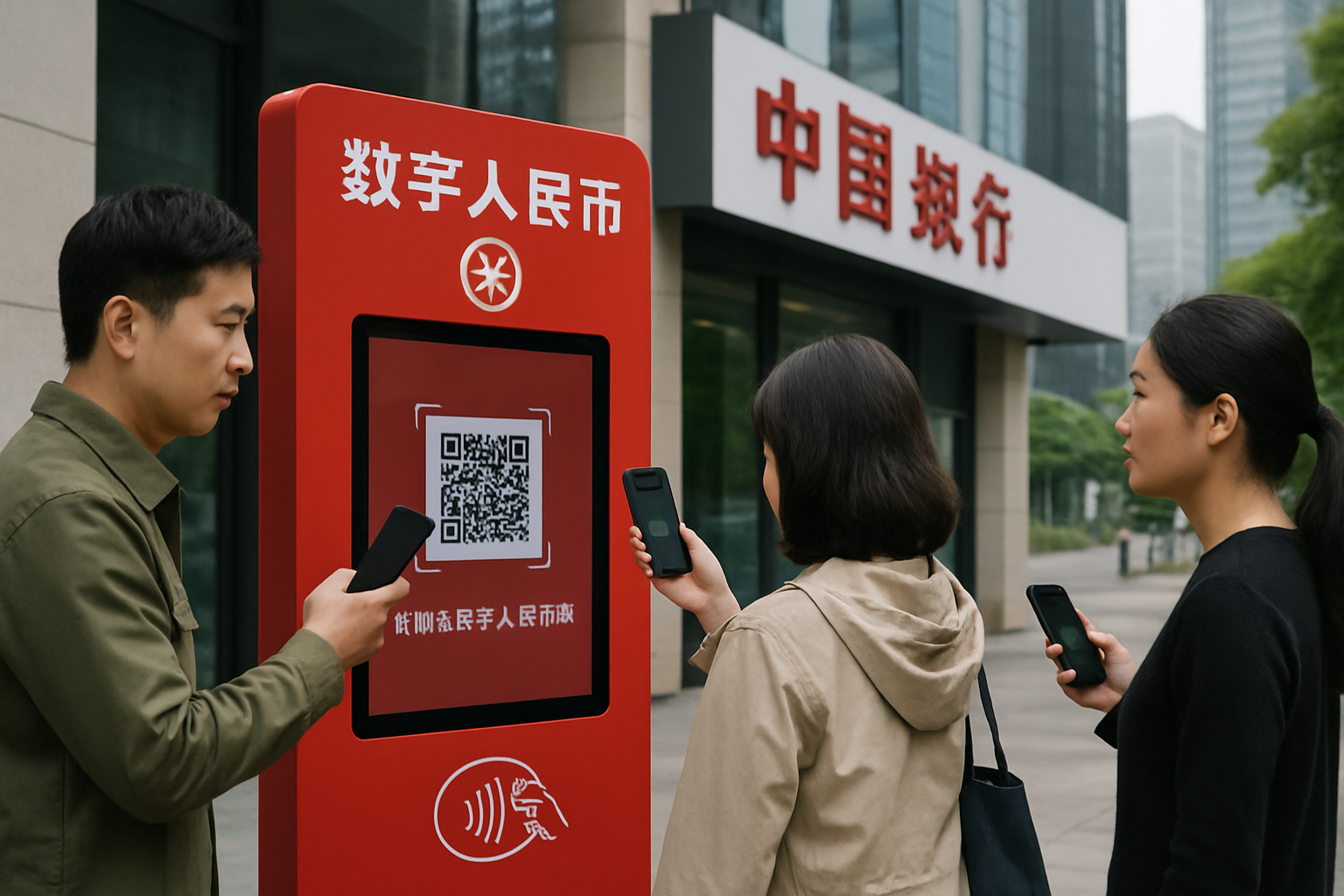
China moved to accelerate adoption of its central bank digital currency on October 3, 2026, with new public documents and reporting that flesh out how the Peoples Bank of China plans to expand commercial bank participation, integrate wholesale clearing rails, and promote cross border use cases of the e-CNY. A set of policy updates and implementation notes released and materially updated on October 3 define concrete targets for the number of commercial institutions authorized to operate digital yuan wallets, outline steps for integrating the e-CNY with existing clearing and settlement infrastructure, and set a timetable for pilot expansions into additional provinces and selected cross border corridors. Taken together, these moves mark a shift in Beijing’s approach from multi year experimentation toward scaled deployment that treats the e-CNY as a routine payment instrument for domestic retail activity and for designated cross border settlement scenarios. Officials say the changes are designed to improve interoperability with banks and payment service providers, mitigate operational risk, and preserve tight monetary control even as the system grows. Operational and banking integration The updated guidance sets incremental benchmarks for commercial bank onboarding and operational readiness. Regulators expect a new tranche of city and regional banks to complete technical certification as operating nodes for e-CNY wallets before the end of the year. The plan emphasizes enhanced API specifications, standardised settlement windows with the central bank, and clearer rules for how commercial banks should manage e-CNY liquidity and reserve accounting. For banks the change means additional compliance and reporting obligations, but also clearer commercial pathways to earn fee and deposit income from e-CNY services. Authorities signal that banks which complete integration early will be prioritised for pilot programmes that bring digital yuan capabilities to government disbursements, social benefits, and municipal services. Wholesale rails and cross border pilots The October 3 updates also expand a technical roadmap for linking e-CNY settlement to wholesale payment rails used for interbank clearing. That work aims to reduce friction between central bank settlement and commercial bank clearing systems, which regulators say is necessary to scale use beyond small retail transactions. Crucially, the documents continue to frame limited cross border experiments as a priority. Officials plan to widen existing corridor trials and allow eligible institutions in approved jurisdictions to accept e-CNY top ups and perform settlement operations under tightly controlled conditions. Regulators underline that all cross border trials will be subject to compliance controls and real time monitoring to address anti money laundering and foreign exchange risks. Policy balancing act China’s policy design for the e-CNY seeks to balance two competing goals. On one hand, Beijing wants to make the digital yuan functionally useful for consumers and businesses by embedding it into everyday banking and payment services. On the other hand, authorities are determined to maintain strong oversight over monetary flows, preserve the central bank’s control over currency issuance and interest rate transmission, and prevent profit driven stablecoin arrangements that could dilute monetary sovereignty. The October 3 materials reiterate existing prohibitions on private stablecoins and unauthorised trading of crypto assets in mainland China, while distinguishing the e-CNY as a state issued liability operating within a supervised financial ecosystem. That distinction helps explain why the plan focuses on expanding the universe of authorised commercial operators and strengthening technical monitoring rather than loosening China’s overall stance toward private crypto markets. What this means for industry and users For major commercial banks and state backed financial institutions the update provides greater clarity on technical and compliance requirements needed to participate in the e-CNY ecosystem. Banks that already operate digital yuan services and newly approved city banks can expect accelerated integration schedules, more rigorous operational testing, and prioritized access to government pilots for payments and social programme disbursals. For businesses and consumers the changes could lead to wider availability of e-CNY wallets, more places and public services accepting the digital yuan, and improved interoperability with existing payment apps. Cross border businesses engaged in trade with approved pilot jurisdictions may also see new settlement options using e-CNY rails under strictly regulated pilots. Why it matters China is one of the most advanced major economies in practical CBDC deployment, with years of pilots and experimentation. The October 3 updates convert several long standing pilot objectives into a near term operational timetable, signalling Beijing’s intent to normalise the role of the e-CNY inside the financial system. That normalization carries geopolitical and market implications. If China succeeds in scaling the e-CNY across banks and into targeted cross border corridors, it could accelerate use cases for central bank digital currencies globally, shift some cross border payments traffic toward regulated CBDC rails, and create new points of friction for private stablecoins and crypto services that remain banned in mainland China. It also raises questions for foreign institutions about how to engage with Chinese payment infrastructure while complying with local rules. Outlook Authorities will monitor integration milestones closely, with progress reports expected through the end of 2026 as more commercial banks complete certification. Observers will watch whether Beijing pairs expanded technical access with incentives that make digital yuan services attractive to consumers and businesses. The practical pace of rollout will depend on bank readiness, success of early cross border pilots, and the ability of regulators to manage operational and compliance risks as scale increases. For now, the October 3 updates make clear that the digital yuan is moving from controlled experimentation toward wider, bank centred adoption, underlining China’s broader strategy to define a state led digital currency model that other countries are watching closely.
Topics
LocationPeoples Bank of China